
Bathroom Tile Repair How-To Guide — Bathroom Pros
Assess the Damage
Gather Necessary Tools and Materials
Remove Damaged Tiles
Prepare the Surface
Install New Tiles
Grout the Tiles
How It Works
Are you dealing with cracked, chipped, or loose tiles in your bathroom? Bathroom tile repair can seem daunting, but with the right guidance, you can restore your tiles to their former glory. At Bathroom Pros in Toms River, NJ, we understand the importance of maintaining a pristine bathroom environment, and proper tile repair is a key component. Whether your tiles are suffering from wear and tear, water damage, or simply age, our comprehensive guide will provide you with the step-by-step instructions needed to tackle your bathroom tile issues effectively. This guide is designed to empower homeowners in Toms River, NJ, to take control of their bathroom renovations. From identifying the type of damage to executing repairs, we will cover everything you need to know. Our goal is to help you make informed decisions about your bathroom tile repair process, ensuring that you achieve both aesthetic appeal and functional longevity. Let’s dive into the essential steps required to successfully repair your bathroom tiles and enhance the overall appearance of your space.
Assess the Damage
Begin by thoroughly inspecting your bathroom tiles to determine the extent of the damage. Look for cracks, chips, or loose tiles. Identifying the specific areas that need repair is crucial for an effective restoration process. Keep in mind that some tiles might require full replacement, while others may just need a simple fix. Taking notes on the type of damage will guide your next steps and materials needed.
Gather Necessary Tools and Materials
Before you begin the repair process, gather all necessary tools and materials. This may include tile adhesive, grout, a trowel, a utility knife, and a sponge. If you are replacing tiles, make sure to have the exact matches or similar styles on hand. Having everything ready will streamline the repair process and minimize disruptions.
Remove Damaged Tiles
Carefully remove any damaged tiles using a chisel or a utility knife. Take your time to avoid damaging surrounding tiles. If the tile is securely bonded, you may need to apply heat to loosen the adhesive. This step is crucial because any residual adhesive must be cleaned off the surface to ensure a strong bond for the new tile.
Prepare the Surface
Once the damaged tiles are removed, prepare the surface by cleaning it thoroughly. Remove any old adhesive and debris, ensuring the area is smooth and level. If you are working with a wet area, ensure that it is dry before applying new adhesive. A properly prepared surface is essential for a successful tile repair that will stand the test of time.
Install New Tiles
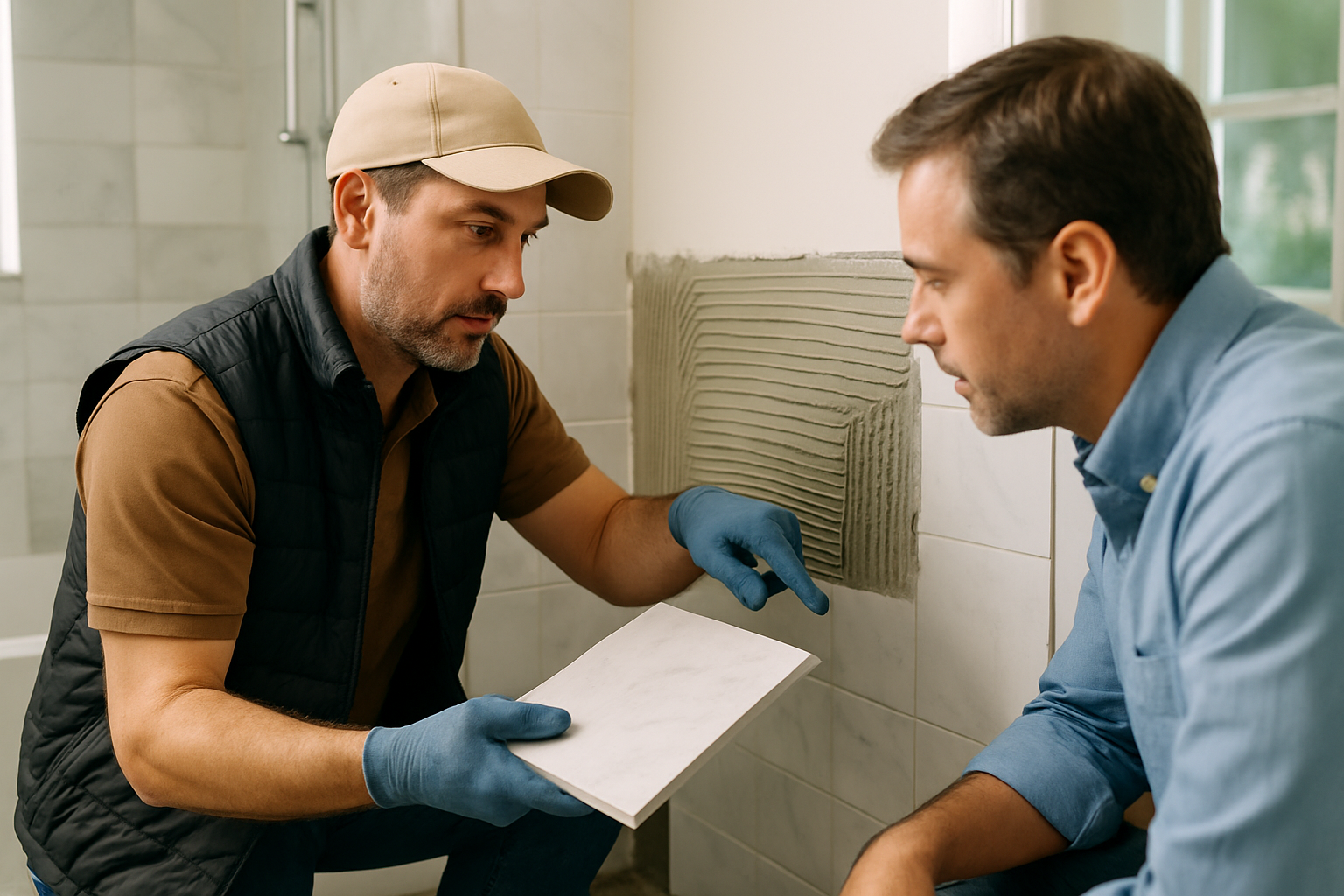
Apply tile adhesive to the back of the new tile or directly onto the surface, depending on your adhesive type. Press the tile firmly into place, ensuring it aligns with the surrounding tiles. Use spacers to maintain even gaps for grout application later. Allow the adhesive to cure as per manufacturer recommendations before proceeding with grouting.
Grout the Tiles
Once the adhesive has set, it’s time to apply grout. Using a grout float, spread the grout over the tiles, filling the gaps between them. Wipe off excess grout with a damp sponge, taking care to smooth the joints. Grouting is a critical step that not only enhances the appearance but also seals the tiles, preventing moisture from seeping beneath.
Seal the Grout
After the grout has dried completely, apply a grout sealer to protect against stains and moisture. This is especially important in a bathroom environment. Follow the manufacturer's instructions for application and drying times to ensure maximum protection. Sealing the grout will help maintain the integrity of your tile repair for years to come.
Final Inspection and Clean-Up
Conduct a final inspection of your tile repair to ensure everything is in place and that the grout is properly sealed. Clean the work area, removing any tools and debris. Finally, admire your handiwork! If you notice any issues, address them immediately to prevent further damage. Regular maintenance will keep your newly repaired tiles looking great.
What to Expect & When
We believe in full transparency. Here's a realistic timeline so you can plan accordingly.
Assessment and Planning
1 dayEvaluate the condition of your bathroom tiles and plan for the repair process. This phase includes gathering materials.
Repair Process
2-3 daysThis includes the removal of damaged tiles, installation of new tiles, grouting, and sealing. Ensure to follow proper drying times.
Curing and Sealing
1 dayAllow the grout and adhesive to cure fully. This is essential to ensure the longevity of your tile repair.
Final Inspection
1 dayConduct a thorough inspection of the completed work, ensuring everything is up to standard before resuming use of the bathroom.
How to Prepare
- Ensure your bathroom is well-ventilated during the repair process to help with drying times.
- Choose tiles that match or complement your existing decor for a cohesive look.
- Have extra tiles on hand in case additional repairs are needed during the process.
- Consider hiring a professional if you are unsure about your DIY skills; Bathroom Pros in Toms River can help!
- Keep all tools organized and within reach to streamline the repair process.
Common Questions
Everything you need to know before we arrive.
How much does bathroom tile repair cost in Toms River, NJ?
Can I repair bathroom tiles myself?
How long does it take for the grout to dry after tile repair?
What type of grout is best for bathroom tiles?
What should I do if my tiles are still cracking after repair?
Still have questions? We're happy to help.
Call (908) 726-5554Common Causes of Bathroom Tile Damage
Bathroom tiles can suffer damage for several reasons. One common culprit is water exposure, particularly in areas where tiles are not adequately sealed. This can lead to mold and mildew growth and can also weaken adhesive bonds over time, causing tiles to loosen or crack. Another factor is temperature fluctuations that can cause materials to expand and contract, leading to cracks. Additionally, heavy objects dropped on tiles can cause chips or breaks. Understanding these factors can help homeowners in Toms River, NJ, take proactive measures to prevent tile damage in the future, such as regular inspections and maintenance. Another common issue is poor installation. If tiles were not installed correctly, they may not adhere properly to the surface, leading to future problems. It’s essential to ensure that any repairs are performed by skilled professionals to avoid recurring issues. Regular cleaning and maintenance, such as resealing grout lines, can also help prolong the life of your bathroom tiles and keep them looking their best.
When to Call a Professional for Tile Repair
While many homeowners can manage minor tile repairs themselves, certain situations warrant calling in a professional like Bathroom Pros in Toms River, NJ. If you notice extensive damage, such as widespread cracking or water damage, it’s crucial to seek expert assistance. Professionals can assess the damage accurately and recommend the best course of action, which may include replacing whole sections of tile or addressing underlying issues like water leaks. Additionally, if you are dealing with intricate tile patterns or specialized materials, a professional's experience can ensure that repairs match your existing decor seamlessly. Moreover, if you lack the time or tools necessary to complete the repairs, hiring a professional can save you stress and ensure the job is done right the first time. In Toms River, Bathroom Pros offers reliable and efficient bathroom tile repair services that cater to your needs, ensuring your bathroom remains a beautiful and functional space.
Ready to Get Started with Bathroom Pros?
Our licensed technicians serve Toms River and surrounding communities. Free estimates — no obligation.