
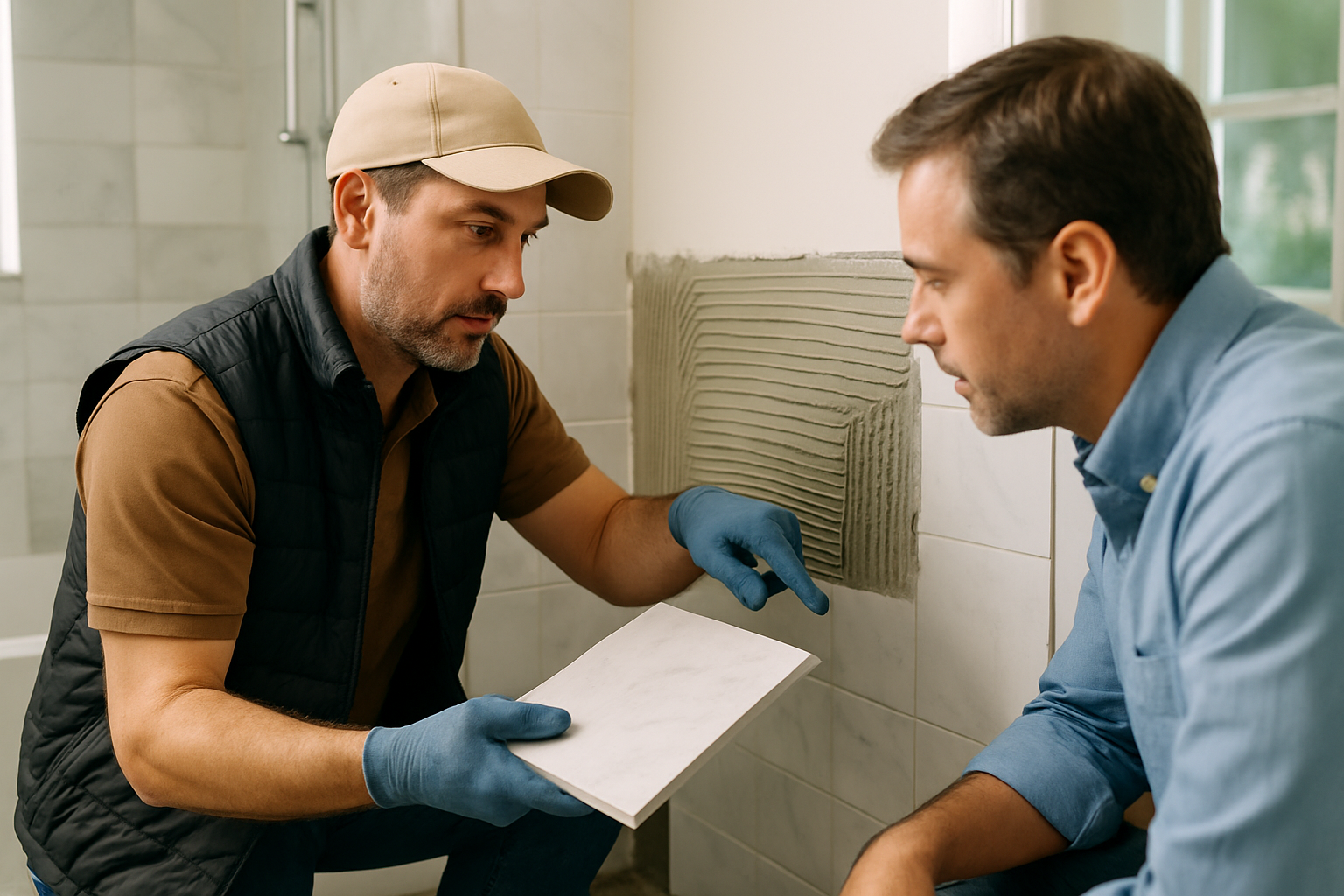
Grout and Caulking Services How-To Guide — Bathroom Pros
Remove Old Grout and Caulk
Clean the Surface
Mix New Grout
Apply Grout
Clean Excess Grout
Apply Caulk
How It Works
Grout and caulking are essential components of any bathroom remodel, ensuring longevity and a polished appearance to your tiles and fixtures. At Bathroom Pros in Toms River, NJ, we understand the importance of these services in preserving the beauty and functionality of your bathroom. Grout fills the gaps between tiles and helps to prevent moisture from seeping behind them, while caulking seals edges to protect against leaks and mold growth. This guide will take you through the essential steps needed to successfully perform grout and caulking services, whether you're looking to refresh an existing bathroom or complete a new remodel. With our local expertise, we aim to provide homeowners in Toms River with the knowledge they need to maintain their bathrooms effectively.
Remove Old Grout and Caulk
Before applying new grout or caulk, it's essential to remove any existing materials. This involves using a grout saw or utility knife to carefully scrape away the old grout from between tiles and cutting out old caulk from edges. This step is crucial to ensure proper adhesion of the new materials. Be cautious not to damage the surrounding tiles during this process.
Clean the Surface
After removing the old grout and caulk, thoroughly clean the area to eliminate dust, debris, and any remaining adhesive. Use a mixture of water and vinegar or a mild detergent to scrub the surfaces effectively. Ensure everything is dry before proceeding, as moisture can lead to poor adhesion of the new grout and caulking.
Mix New Grout
Now it's time to mix your new grout according to the manufacturer's instructions. Typically, grout comes in powder form and requires mixing with water to achieve the right consistency. It's important to achieve a smooth, lump-free mixture that is not too watery, as this will affect the durability and appearance of your grout lines.
Apply Grout
Using a grout float, apply the mixed grout into the spaces between the tiles. Hold the float at a 45-degree angle and press the grout firmly into the gaps. Work in small sections to ensure that the grout does not dry out before you can clean excess off the tiles. Smooth out the grout lines for a uniform finish.
Clean Excess Grout
After applying the grout, it's vital to clean the excess from the tile surfaces. Use a damp sponge to gently wipe off the grout, being careful not to remove it from the joints. This process may need to be repeated several times until the tiles are clean. Allow the grout to set according to the manufacturer's recommendations.
Apply Caulk
Once the grout has cured, you can apply caulk to the edges where the tiles meet other surfaces, like bathtubs or sinks. Use a caulking gun to apply a continuous bead of caulk, ensuring a smooth finish. This step is essential for preventing water from seeping behind your fixtures and causing damage.
Smooth Caulk Lines
After applying the caulk, smooth the lines with a wet finger or a caulk smoothing tool to achieve a clean, professional finish. This also helps ensure that the caulk adheres properly to the surfaces. Allow the caulk to cure fully before exposing it to moisture.
Final Inspection
Once everything is dry, inspect your grout and caulk work to ensure there are no gaps or imperfections. If necessary, touch up any areas that need additional caulk or grout. This final inspection guarantees that your bathroom will remain beautiful and functional for years to come.
What to Expect & When
We believe in full transparency. Here's a realistic timeline so you can plan accordingly.
Preparation
1 dayRemove old grout and caulk, and properly clean the surfaces in preparation for new materials.
Application
1-2 daysMix, apply, and clean excess grout, followed by caulking all necessary edges.
Curing
24-48 hoursAllow grout and caulk to cure as per the manufacturer's recommendations before using the bathroom.
Final Touches
1 dayConduct a final inspection and make any necessary touch-ups to ensure a flawless finish.
How to Prepare
- Gather all necessary tools and materials beforehand, including grout, caulk, a grout float, caulk gun, and cleaning supplies.
- Ensure the bathroom is well-ventilated to facilitate drying during the application process.
- Choose the right color of grout that complements your tiles for a cohesive look.
- Have a damp sponge and plenty of clean towels ready for cleaning excess grout as you work.
- Check the weather; avoid applying caulk on very humid days to ensure proper adhesion.
Common Questions
Everything you need to know before we arrive.
What is the difference between grout and caulk?
How often should I re-grout my bathroom?
Can I do grout and caulking myself?
What types of grout are available?
How long does it take for grout and caulk to dry?
Still have questions? We're happy to help.
Call (908) 726-5554Understanding Grout Types and Their Applications
When embarking on grout and caulking services, it's essential to understand the various types of grout available and their specific applications. Sanded grout, which contains fine sand, is ideal for wider joints (typically 1/8 inch or more) as it provides added strength and helps reduce shrinkage. Unsanded grout is best suited for smaller joints, offering a smoother finish, but it is less durable than sanded grout. For high-moisture areas like bathrooms, epoxy grout is a fantastic choice due to its resistance to stains and mold, making it a long-lasting option for homeowners in Toms River. Choosing the right grout ensures that your tiled surfaces remain beautiful and functional for years to come.
The Importance of Proper Caulking
Caulking is a critical step in bathroom remodeling that should never be overlooked. Proper caulking not only enhances the aesthetic appeal of your bathroom but also provides essential protection against water damage. Gaps around bathtubs, sinks, and shower areas can lead to serious issues, including mold growth and structural damage. In Toms River, where humidity levels can be high, ensuring that these areas are sealed correctly becomes even more vital. By using high-quality caulk and applying it correctly, you can significantly extend the lifespan of your bathroom fixtures and maintain a clean, polished look. Regular maintenance and timely replacements of caulk will further enhance your bathroom's appearance and functionality.
Ready to Get Started with Bathroom Pros?
Our licensed technicians serve Toms River and surrounding communities. Free estimates — no obligation.